Green Pac Envirofill 400 Ltr Bag Packaging Peanuts
IN STOCK
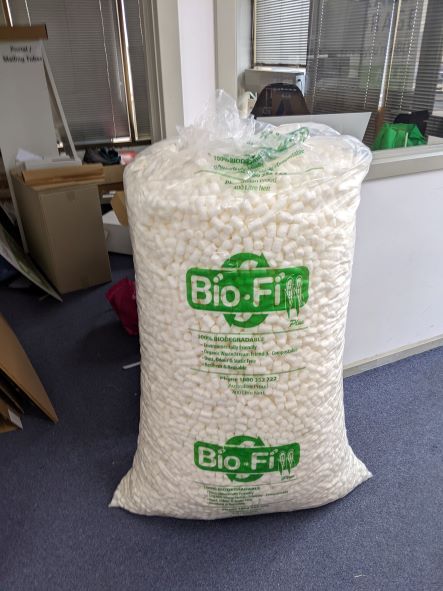
Envirofill is an environmentally friendly packaging solution. The loose void fill chips are made from a corn starch mixture extruded into Enviro fill. The packaging peanuts provide cushioning without compromising the protection of packaged items. It is 100% biodegradable and water-soluble, ensuring ground water is not polluted. Eco-friendly void fill packaging. Use to be called green fill or packing beans. Bio fill. The office works with packing peanuts to reduce breakages with delicate stock. Loose fill that can be reused or recycled to help the environment.
Compostable and water soluble.
Static free
Also known as ‘Packing “PEANUTS’
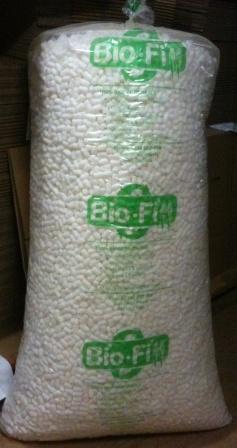
Approx weight of bag = 5 kg
Approx Dimensions of bag 130cm x 60cm x 60cm
Green Pac 400 Ltr Bag packaging peanuts
A carton can be the right size and still arrive with damaged goods. The usual culprit is movement inside the box. Choosing the best void fill materials means matching the filler to the product, the shipping distance, the box size, and the presentation your customer expects. The cheapest material per roll is not always the lowest-cost choice once breakages, packing time, and oversized freight charges are counted.
For most businesses, the goal is simple: stop products from shifting without adding unnecessary weight, waste, or labor. Here is how to choose a practical solution for everyday shipping.
What Void Fill Is Meant to Do
Void fill occupies empty space around a product after it has been wrapped or placed in a carton. It prevents items from sliding, rotating, colliding, or settling at the bottom of the box during transport.
It is not a replacement for product protection. A glass bottle, framed item, ceramic piece, or electronic device should first have its own protective layer, such as bubble wrap, foam, tissue, or a purpose-made insert. Void fill then holds that protected item in position.
A quick test is useful at the packing bench: close and tape the carton, then give it a controlled shake. If you can feel or hear the product moving, add more fill or select a better-fitting carton. Overfilling is not ideal either. A carton that bulges is harder to seal, more likely to split, and can cost more to ship.
Best Void Fill Materials by Packing Need
The best option depends on what is going into the box. A lightweight clothing order needs a different approach from a case of wine or a delicate retail gift.
Kraft paper and packing paper
Kraft paper is one of the most versatile choices for general shipping. It can be loosely crumpled to fill large voids, wrapped around products for light surface protection, or layered between items in a carton. It is especially useful for ecommerce orders, gifts, homewares, books, apparel, and non-fragile goods.
Paper is often a sensible choice when presentation matters. Clean kraft paper gives a natural, straightforward look that suits many independent brands without making packing complicated. White tissue can also be used for lighter products or retail-style unboxing, though it does not provide the same cushioning as tightly crumpled packing paper.
The trade-off is that paper can add weight when used heavily, and it takes more storage space than some alternatives before dispensing. It also needs to be packed with enough volume. A few flat sheets placed on top of a product will not stop movement.
Bubble wrap
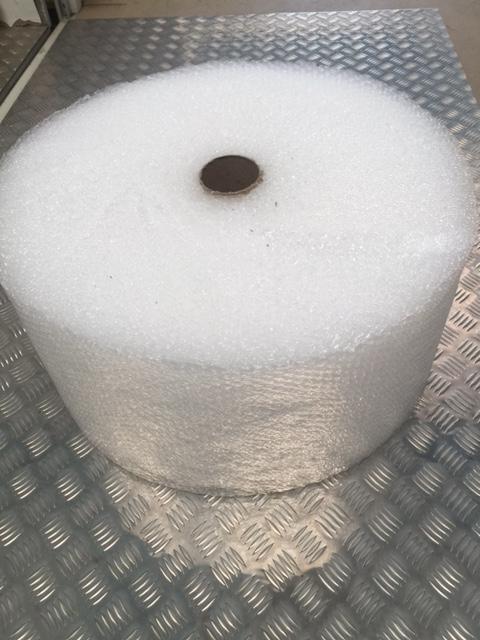
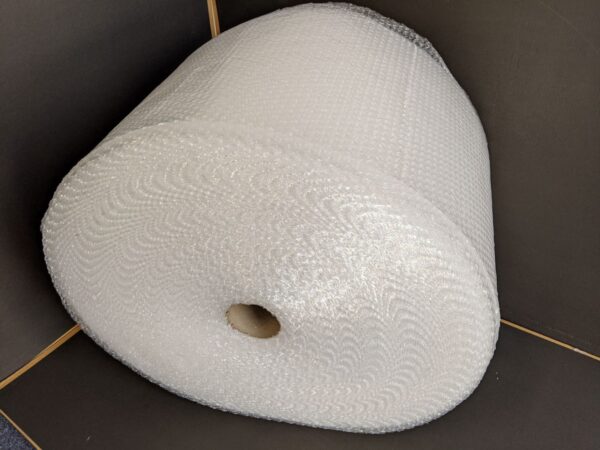
Bubble wrap works well when a product needs both cushioning and void fill. Small-bubble wrap is useful for protecting surfaces and wrapping lighter fragile items. Larger bubbles provide more cushioning for heavier or more delicate products, particularly when several layers are used.
For a mixed order, bubble wrap can serve two jobs: wrap individual items first, then place additional loosely rolled sections into open spaces. This is practical for retailers shipping glassware, small electronics, cosmetics, framed goods, and irregularly shaped products.
Bubble wrap is lightweight, easy for staff to use, and familiar to customers. However, it can look excessive if used for products that do not need it. Businesses focused on reducing plastic use may prefer paper for routine void fill and reserve bubble wrap for items where its protective value is justified.
Foam peanuts and loose-fill foam
Loose-fill foam is effective for awkward shapes and cartons containing several small, individually protected items. The material flows around products and fills hard-to-reach gaps quickly, which can reduce packing time in a busy dispatch area.
It is best suited to lightweight goods. Heavy items can settle through loose fill, leaving little protection where it is needed most. Loose-fill foam can also be frustrating for customers to unpack and dispose of, so it is not always the right choice for premium retail orders or environmentally focused brands.
If you use foam peanuts, keep the carton appropriately sized and fill it fully. Half-filled boxes allow products to migrate through the material during shipping.
Air pillows and inflatable void fill
Air pillows are a lightweight option for filling larger empty areas in cartons. They are particularly useful for high-volume ecommerce operations shipping lightweight products, where reducing package weight can help control freight costs.
Their main advantage is efficiency. A large void can be filled quickly without adding much weight to the shipment. They also take up relatively little space before inflation, which helps warehouses with limited storage room.
The limitation is puncture risk. Air pillows should not be the only protection around sharp-edged, heavy, or highly fragile products. Use them to brace wrapped items and fill top or side voids, not as a substitute for protective wrapping or fitted inserts.
Corrugated pads, inserts, and cardboard offcuts
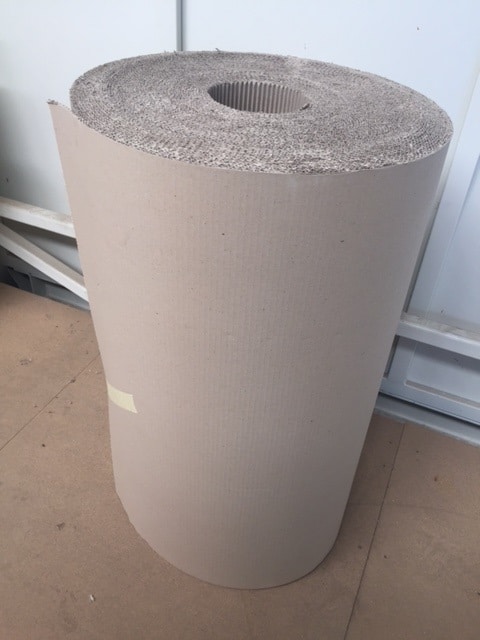
Corrugated cardboard is an excellent option when a product needs bracing rather than soft cushioning. Pads can separate flat items, protect corners, reinforce carton walls, and prevent products from shifting side to side. Custom inserts can hold bottles, jars, records, and retail products in a fixed position.
For heavier goods, corrugated dividers and inserts usually provide a more reliable result than loose paper or foam. They create structure inside the carton and can improve the customer’s unboxing experience by making the shipment look organized.
The downside is setup time and storage. Standard pads are easy to keep on hand, while custom inserts require the right dimensions and a repeatable product size. For products shipped regularly, that investment can pay off through faster packing and fewer damage claims.
Choose the Carton Before Choosing the Fill
Many void-fill problems start with an oversized box. If there is too much empty space, packers compensate with excessive paper, bubble wrap, or foam. That increases material usage, slows the process, and can push a shipment into a higher dimensional-weight bracket.
Choose a carton that allows enough room for protective wrapping and a small buffer around the item, but not so much room that the item can travel across the box. For a single fragile product, aim for cushioning on all sides. For multiple products, use dividers or individual wrapping so the items cannot touch each other.
A good packing setup uses the box, the protective wrap, and the void fill as a system. One material rarely solves every problem on its own.
A Practical Way to Select Void Fill
Start with the product’s weight and fragility. Heavy, breakable, or high-value items need structured support, such as corrugated inserts combined with bubble wrap or foam. Lightweight products can often be secured with crumpled paper or air pillows.
Next, consider the shipping journey. Local delivery of a durable product may need minimal fill. A parcel traveling through multiple carriers, warehouses, and long-distance routes needs more reliable protection. If the product is being sent internationally or by air, lightweight materials can also help manage freight costs.
Finally, think about your brand and your packing speed. Paper offers a simple, approachable presentation. Air pillows can speed up high-volume dispatch. Bubble wrap offers dependable cushioning for delicate stock. Custom cardboard inserts create a professional fit for repeat orders. The right choice is the one your team can pack consistently and your customers can receive safely.
Avoid These Common Packing Mistakes
Do not use void fill only on top of the product. Empty space at the sides and bottom still allows movement. Avoid mixing loose, heavy products in one carton without separation, and do not rely on a carton’s outer strength to protect fragile contents.
Also avoid packing by appearance alone. A box can look full while the product remains loose underneath the top layer. Test your finished package, especially when introducing a new carton size, product line, or shipping method.
For regular orders, keep a small packing standard at the bench: the carton size, wrap requirement, fill material, and tape method. This helps every staff member pack to the same level and makes it easier to identify where damage is occurring.
Boxes.com.au can help businesses stock practical paper, bubble wrap, cartons, tape, and protective packaging for everyday dispatch. The best result usually comes from simplifying the process: use a better-fitting box, choose fill that suits the product, and make every packed carton stable before it leaves your hands.